
Why Are There Tree-Climbing Lions in Queen Elizabeth National Park in 2026?
Introduction
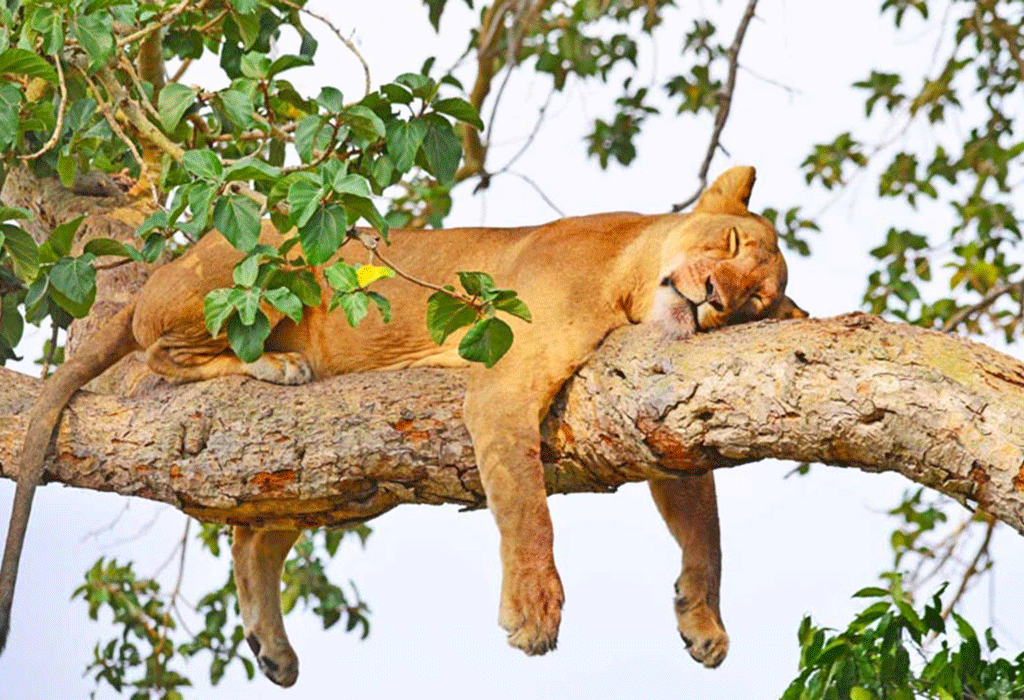
Tree-climbing lions remain one of the most fascinating wildlife attractions in Africa, and in 2026, they continue to draw travelers, researchers, photographers, and safari enthusiasts to Queen Elizabeth National Park in Uganda. Unlike most lions that spend their time resting on the ground, the lions of the Ishasha sector have developed the unusual habit of climbing and resting in large fig trees and acacia trees. This extraordinary behavior has turned Queen Elizabeth National Park into one of the few places in the world where visitors can reliably witness lions relaxing high above the savannah.
For travelers planning unforgettable safari experiences with Satellite Adventures, seeing these unique lions has become one of the highlights of Uganda safaris. Their mysterious tree-climbing behavior raises many questions. Why do they climb trees? Is it natural behavior or learned behavior? What makes the lions of Queen Elizabeth National Park different from other lion populations in Africa?
This detailed guide explores the reasons behind tree-climbing lions in Queen Elizabeth National Park in 2026, their habitat, behavior, conservation status, and why they remain one of Uganda’s top safari attractions.
Understanding Tree-Climbing Lions
Tree-climbing lions are lions that spend considerable time resting or sleeping in trees instead of remaining on the ground. While lions in most parts of Africa rarely climb trees except when escaping danger or attempting to reach prey, the lions of Uganda’s Ishasha sector do it regularly.
This behavior is still considered unusual because lions are generally heavy-bodied cats designed for life on the plains. Leopards are naturally adapted for climbing, but lions usually lack the flexibility and balance associated with tree-dwelling cats. However, the lions in Queen Elizabeth National Park have mastered this skill and continue to surprise wildlife experts and tourists alike.
The tree-climbing lions are mainly found in the southern Ishasha sector of Queen Elizabeth National Park, a remote and scenic wilderness known for its open savannah, giant fig trees, and abundant wildlife.
Why Do Lions Climb Trees in Queen Elizabeth National Park?
1. Escaping Heat on the Ground
One of the leading explanations for this behavior is temperature regulation. Queen Elizabeth National Park can become extremely hot during the dry season, especially in the Ishasha plains. The ground temperatures often rise significantly during midday, making it uncomfortable for lions to rest on the hot surface.
The branches of large fig trees provide cooler temperatures and improved airflow. By climbing into the trees, lions can enjoy refreshing breezes and avoid direct contact with the scorching ground.
In 2026, climate changes and rising temperatures across East Africa have made this behavior even more important for the lions. Wildlife researchers believe that resting in trees helps the lions conserve energy during the hottest hours of the day.
2. Avoiding Insects and Biting Flies
Another major reason why lions climb trees in Queen Elizabeth National Park is to avoid insects. The Ishasha sector is home to many biting insects such as tsetse flies and mosquitoes that can disturb lions resting on the ground.
By climbing higher into the trees, lions escape many of these irritating insects. The elevated position provides relief and allows them to rest peacefully for long hours.
Safari guides working with Satellite Adventures often explain to visitors that lions in Ishasha can remain in trees for several hours without moving, especially during warm afternoons when insects become more active near the ground.
3. Better Visibility for Spotting Prey
Tree climbing also gives lions a strategic advantage when monitoring their surroundings. From elevated branches, lions can observe herds of antelope, buffaloes, Uganda kobs, and other animals moving across the savannah.
The higher position allows lions to scan large areas without being easily noticed. This improves their awareness of potential prey and possible threats.
Although lions do not usually hunt directly from trees, the elevated viewpoint helps them understand animal movements before launching hunting activities during cooler evening hours.
4. Learned Behavior Passed Through Generations
Researchers believe that tree climbing in Ishasha lions may also be a learned cultural behavior passed from one generation to another.
Young cubs observe adult lions climbing trees and imitate them as they grow. Over time, the behavior becomes part of the pride’s lifestyle.
This is one reason why tree-climbing lions are found consistently in specific regions like Ishasha but remain rare elsewhere in Africa. The behavior has likely been reinforced over decades through observation and social learning within the prides.
In 2026, wildlife researchers continue studying whether genetics may also play a small role in supporting this unusual adaptation.
Where Can Tree-Climbing Lions Be Seen?
Ishasha Sector – The Home of Tree-Climbing Lions
The Ishasha sector is located in the southern part of Queen Elizabeth National Park and is globally famous for its tree-climbing lions.
This remote wilderness area features:
-
Vast savannah grasslands
-
Giant fig trees
-
Acacia woodlands
-
Seasonal rivers
-
Rich wildlife populations
The combination of these habitats creates an ideal environment for the lions.
Travelers booking Uganda safaris with Satellite Adventures often include Ishasha in their itineraries because it offers exceptional wildlife encounters combined with fewer tourist crowds compared to other African safari destinations.
Besides lions, visitors may also encounter:
-
Elephants
-
Buffaloes
-
Topis
-
Uganda kobs
-
Hyenas
-
Leopards
-
Numerous bird species
The peaceful atmosphere of Ishasha makes it one of Uganda’s hidden safari gems.
Why Are Tree-Climbing Lions So Rare?
Tree-climbing lions are extremely rare worldwide. While occasional tree-climbing behavior has been observed in Tanzania’s Lake Manyara National Park, the lions of Queen Elizabeth National Park are among the most reliable and famous tree climbers in Africa.
Several factors make this behavior uncommon:
-
Lions are naturally heavy animals
-
Climbing requires significant energy
-
Most habitats lack suitable climbing trees
-
Many lion populations do not develop the behavior socially
The Ishasha lions have adapted uniquely to their environment, making them an important subject for wildlife research and conservation.
Best Time to See Tree-Climbing Lions in 2026
The best time to see tree-climbing lions in Queen Elizabeth National Park is during the dry seasons:
June to September
This is one of the peak safari seasons in Uganda. Vegetation becomes thinner, making wildlife easier to spot.
December to February
These months also provide excellent game viewing opportunities with drier conditions and accessible roads.
During these periods, lions are more likely to spend long hours resting in trees during warm afternoons.
Early morning and late afternoon game drives organized by Satellite Adventures provide the highest chances of spotting the lions.
Conservation Challenges Facing Tree-Climbing Lions
Despite their popularity, tree-climbing lions face several conservation threats in 2026.
Human-Wildlife Conflict
Communities living near the park sometimes experience livestock losses caused by predators. This can lead to conflicts between humans and lions.
Conservation organizations and tourism operators continue working with local communities to promote coexistence through compensation programs, education, and sustainable tourism.
Habitat Loss
Expanding agriculture and human settlement near protected areas continue threatening wildlife habitats.
Protecting migration corridors and maintaining healthy ecosystems remain critical for the survival of the Ishasha lion population.
Climate Change
Changing rainfall patterns and increasing temperatures are affecting ecosystems across East Africa.
Climate changes may influence prey availability, water sources, and overall lion behavior in the future.
Illegal Wildlife Activities
Although conservation efforts have improved significantly, illegal wildlife activities still threaten many species within Queen Elizabeth National Park.
Uganda Wildlife Authority and conservation partners continue strengthening anti-poaching efforts to protect lions and other wildlife.
How Tourism Helps Protect Tree-Climbing Lions
Tourism plays a major role in conserving the tree-climbing lions of Queen Elizabeth National Park.
Safari tourism generates revenue that supports:
-
Wildlife protection
-
Community projects
-
Ranger patrols
-
Conservation research
-
Habitat preservation
Companies like Satellite Adventures help promote responsible tourism by offering guided safaris that educate travelers about wildlife conservation while supporting local economies.
When visitors choose eco-friendly safari experiences, they contribute directly to protecting Uganda’s natural heritage.
The Safari Experience in Ishasha
A safari in Ishasha offers far more than simply seeing lions in trees.
Visitors enjoy breathtaking landscapes, peaceful wilderness, and exceptional wildlife encounters.
Game Drives
Morning and evening game drives provide opportunities to see:
-
Tree-climbing lions
-
Elephants
-
Buffaloes
-
Topis
-
Hyenas
-
Leopards
Professional guides from Satellite Adventures use their local knowledge and tracking skills to locate wildlife efficiently.
Bird Watching
Queen Elizabeth National Park is home to over 600 bird species, making it one of Africa’s best birding destinations.
Bird lovers can spot:
-
African fish eagles
-
Crowned cranes
-
Kingfishers
-
Bee-eaters
-
Pelicans
Photography Opportunities
The sight of massive lions resting in giant fig trees creates extraordinary photography opportunities.
Golden sunlight during sunrise and sunset adds dramatic beauty to wildlife images.
Professional photographers from around the world visit Ishasha specifically to capture these iconic moments.
Interesting Facts About Tree-Climbing Lions
Here are some fascinating facts about the tree-climbing lions of Queen Elizabeth National Park:
-
They can spend up to 15 hours resting in trees.
-
They often climb large fig trees with strong horizontal branches.
-
Cubs begin learning climbing behavior while still young.
-
Tree climbing is more common during hot weather.
-
Ishasha lions are among the most photographed lions in Africa.
-
Not every lion in the pride climbs trees equally.
These unique behaviors continue attracting scientists and safari enthusiasts eager to understand this rare adaptation.
Why You Should Visit Queen Elizabeth National Park in 2026
Queen Elizabeth National Park remains one of Uganda’s top safari destinations in 2026 because of its incredible biodiversity and scenic beauty.
Visitors can experience:
-
Tree-climbing lions
-
Boat cruises on the Kazinga Channel
-
Chimpanzee tracking in Kyambura Gorge
-
Spectacular birdlife
-
Beautiful crater lakes
-
Diverse ecosystems
Combining these experiences creates a complete African safari adventure.
Satellite Adventures offers customized safari packages that allow travelers to explore the best attractions within Queen Elizabeth National Park while enjoying professional guidance and comfortable accommodations.
Conclusion
The tree-climbing lions of Queen Elizabeth National Park continue to amaze the world in 2026. Their unusual behavior is influenced by several factors, including escaping heat, avoiding insects, improving visibility, and learned social habits passed through generations.
These remarkable lions have transformed Uganda into one of Africa’s most exciting safari destinations. Their presence in the Ishasha sector provides travelers with rare wildlife encounters that cannot easily be found elsewhere.
Conservation efforts, responsible tourism, and continued research remain essential for protecting these extraordinary animals and their habitat for future generations.
For travelers seeking unforgettable wildlife adventures, Contact us Today for a safari with Satellite Adventures which offers the perfect opportunity to witness the legendary tree-climbing lions of Queen Elizabeth National Park while exploring Uganda’s breathtaking natural beauty.
Whether you are a wildlife enthusiast, photographer, researcher, or first-time safari traveler, seeing lions resting high in the branches of giant fig trees is an experience that leaves lasting memories and showcases the incredible diversity of Africa’s wild landscapes.
0 Comments