
The Great Wildebeest Migration: Africa's Greatest Wildlife Spectacle | Complete Travel Guide
Overview
The Great Wildebeest Migration is one of the world's most extraordinary natural events and the largest land mammal migration on Earth. Every year, more than 1.5 million wildebeest, accompanied by over 300,000 zebras and 500,000 gazelles, journey across the vast plains of Tanzania's Serengeti and Kenya's Maasai Mara in search of fresh grazing and water.
This continuous cycle covers approximately 1,800 miles (2,900 km) annually and offers unforgettable wildlife encounters, including dramatic river crossings, predator-prey interactions, and breathtaking landscapes. For travelers seeking the ultimate African safari, the Great Migration is an experience unlike any other.
At Satellite Adventures, we specialize in expertly planned migration safaris that place you in the best locations at the right time, ensuring exceptional wildlife viewing and unforgettable memories.
What Is the Great Wildebeest Migration?
The Great Wildebeest Migration is a year-round movement of herbivores through the Serengeti-Mara Ecosystem. Unlike a one-time event, the migration follows seasonal rainfall patterns as animals search for fresh grass and reliable water sources.
The migration includes:
-
Over 1.5 million wildebeest
-
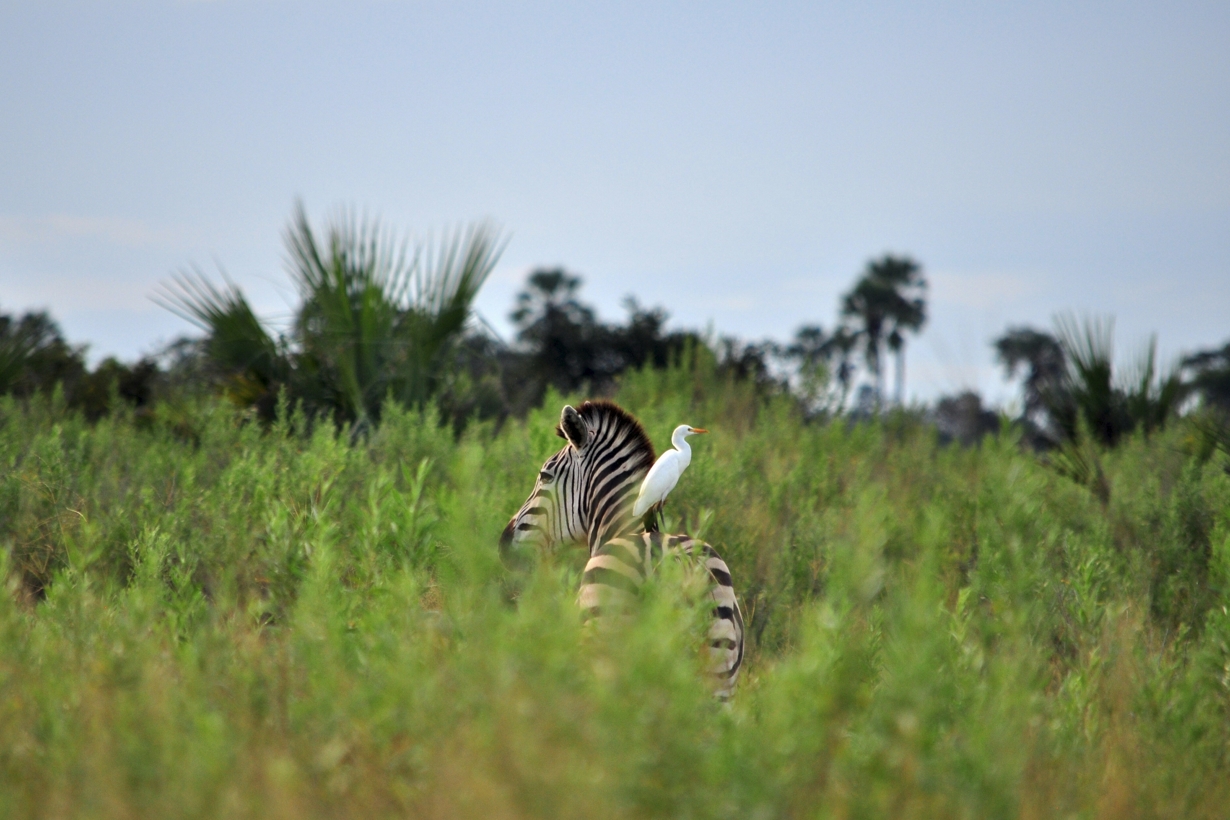
Around 300,000 zebras
-
More than 500,000 Thomson's and Grant's gazelles
-
Elands, topis, hartebeests, and impalas
Following these herbivores are Africa's most powerful predators, creating one of nature's most remarkable survival stories.
Why Does the Great Migration Happen?
The Search for Fresh Grazing
The migration is driven by seasonal rains that produce nutrient-rich grasslands. As one area dries up, the herds instinctively move toward greener pastures.
Water Availability
Water is essential for survival. During dry months, rivers and waterholes disappear, forcing animals to travel hundreds of miles.
Calving Season
The southern Serengeti offers fertile plains where hundreds of thousands of calves are born each year, providing ideal nutrition and open landscapes that help protect newborns.
The Annual Great Migration Calendar
January – March: Calving Season
Location:
-
Southern Serengeti
-
Ndutu Plains
Highlights:
-
Around 500,000 calves born within a few weeks
-
Predator activity increases dramatically
-
Excellent photography opportunities
-
Ideal time to witness newborn wildlife
April – May: Green Season Migration
Location:
-
Central Serengeti
Highlights:
-
Herds begin moving northwest
-
Beautiful green landscapes
-
Fewer safari vehicles
-
Excellent wildlife viewing
June – July: Grumeti River Crossings
Location:
-
Western Serengeti
Highlights:
-
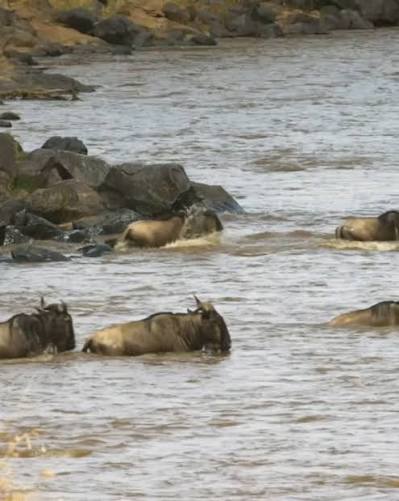
Massive river crossings
-
Giant Nile crocodiles
-
Large lion prides
-
Dramatic wildlife encounters
July – October: Mara River Crossings
Location:
-
Northern Serengeti
Highlights:
-
Most famous migration event
-
Thousands of wildebeest crossing crocodile-filled rivers
-
High predator activity
-
Spectacular photography
November – December: Return Journey
Location:
-
Eastern Serengeti
Highlights:
-
Herds move south following seasonal rains
-
Fresh grass begins growing
-
Beginning of another migration cycle
River Crossings: Nature's Greatest Drama
The Mara River Crossing
The Mara River is the migration's most famous obstacle. Thousands of wildebeest gather before making the dangerous leap into crocodile-infested waters.
Challenges include:
-
Strong river currents
-
Massive Nile crocodiles
-
Steep riverbanks
-
Panic among herds
These crossings are among Africa's most sought-after wildlife experiences.
Grumeti River Crossing
Although smaller than the Mara River, the Grumeti River provides equally dramatic wildlife action.
Expect to see:
-
Large crocodiles
-
Waiting predators
-
Dense riverine vegetation
-
Incredible wildlife photography opportunities
Predators of the Great Migration
The migration supports Africa's richest predator population.
Lions
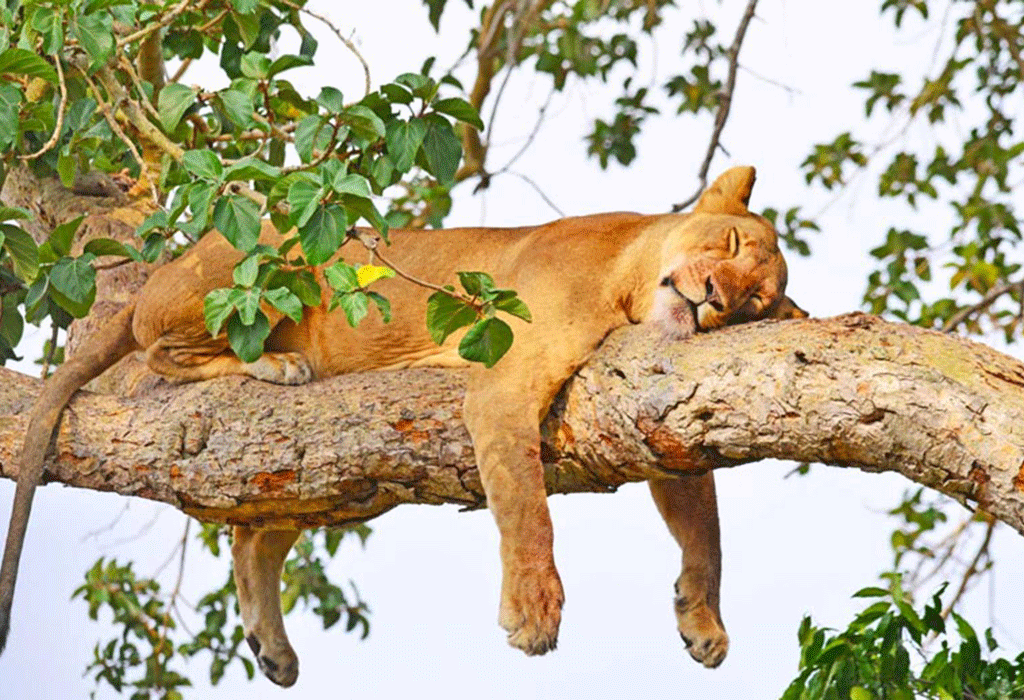
Large prides hunt weakened or isolated wildebeest throughout the migration.
Leopards
Often found in trees near riverbanks waiting for prey.
Cheetahs
Use their incredible speed across open grasslands.
Spotted Hyenas
Highly intelligent hunters that often work together.
Nile Crocodiles
Ambush animals during river crossings.
Wildlife Beyond the Migration
A migration safari offers much more than wildebeest.
Visitors commonly see:
-
African elephants
-
Giraffes
-
Cape buffalo
-
Hippos
-
Black-backed jackals
-
Warthogs
-
Ostriches
-
Secretary birds
-
Martial eagles
-
Vultures
-
Hundreds of other bird species
Best Time to Visit the Great Migration
Best Overall Months
-
June
-
July
-
August
-
September
-
October
Perfect for:
-
River crossings
-
Big cats
-
Predator action
-
Photography
Best for Calving
Visit between:
-
January
-
February
Ideal for:
-
Baby animals
-
Predator interactions
-
Green landscapes
Where Can You Watch the Great Migration?
Serengeti National Park, Tanzania
The Serengeti hosts the migration for most of the year.
Key areas include:
-
Ndutu
-
Central Serengeti
-
Western Corridor
-
Northern Serengeti
Maasai Mara National Reserve, Kenya
The Maasai Mara becomes home to huge herds between July and October.
Known for:
-
Mara River crossings
-
Big Five safaris
-
Luxury safari camps
-
Incredible photography
Best Safari Activities
Game Drives
Morning and evening drives provide the highest chances of seeing wildlife.
Hot Air Balloon Safaris
View thousands of migrating animals from above at sunrise.
Photography Safaris
Professional guides position guests for exceptional wildlife photographs.
Cultural Visits
Meet the Maasai communities and learn about their traditions and relationship with wildlife conservation.
Photography Tips
Bring the Right Equipment
Recommended:
-
DSLR or mirrorless camera
-
100–400mm or 200–600mm lens
-
Wide-angle lens
-
Extra batteries
-
Plenty of memory cards
Best Lighting
Early mornings and late afternoons provide the best wildlife photography conditions.
Conservation and the Great Migration
The migration is essential for maintaining the health of the Serengeti-Mara ecosystem.
Conservation efforts focus on:
-
Wildlife protection
-
Anti-poaching patrols
-
Habitat preservation
-
Sustainable tourism
-
Community partnerships
Responsible tourism helps ensure this natural wonder continues for future generations.
Travel Tips for Your Migration Safari
Pack Smart
Bring:
-
Neutral-colored clothing
-
Comfortable walking shoes
-
Hat
-
Sunglasses
-
Sunscreen
-
Binoculars
-
Camera
-
Insect repellent
-
Personal medications
Book Early
Migration camps often sell out 8–12 months in advance, especially during peak river crossing season.
Stay Flexible
Wildlife follows nature, not fixed schedules. A flexible itinerary increases your chances of witnessing unforgettable moments.
Why Choose Satellite Adventures?
Choosing the right safari operator can make all the difference. At Satellite Adventures, we are committed to creating exceptional safari experiences tailored to your interests and travel style.
Experienced Safari Guides
Our knowledgeable guides understand animal behavior and know the best locations for migration viewing, maximizing your chances of incredible wildlife encounters.
Customized Safari Itineraries
Whether you're seeking a luxury safari, family holiday, honeymoon, photography expedition, or budget-friendly adventure, we design itineraries that fit your needs.
Prime Accommodation Choices
We partner with carefully selected lodges and tented camps located close to migration routes, reducing travel time and increasing wildlife viewing opportunities.
Reliable Transportation
Our well-maintained 4x4 safari vehicles are designed for comfort, safety, and excellent game viewing in all terrains.
Sustainable Tourism
We support responsible travel by working with local communities and promoting conservation initiatives that protect wildlife and natural habitats.
Outstanding Customer Service
From your first inquiry to the end of your journey, our team provides personalized support, ensuring a seamless and memorable safari experience.
Frequently Asked Questions
How long should a Great Migration safari be?
A safari of 5–8 days allows ample time to explore different regions and maximize your chances of witnessing key migration events.
Is the Great Migration guaranteed?
The migration is a natural phenomenon influenced by rainfall and grazing conditions. While exact locations vary, experienced guides significantly improve your chances of finding the herds.
Can families join a migration safari?
Yes. Many lodges and camps welcome families and offer child-friendly activities, making the migration an unforgettable educational experience.
Do I need a visa?
Visa requirements depend on your nationality and the countries you plan to visit. Always check the latest entry requirements before traveling.
Conclusion
The Great Wildebeest Migration is one of the most awe-inspiring wildlife spectacles on the planet. From the vast plains of the Serengeti to the thrilling Mara River crossings, every stage of the journey showcases the beauty, resilience, and drama of nature. Whether you are a first-time safari traveler, wildlife photographer, or seasoned adventurer, witnessing millions of animals moving across East Africa is an unforgettable experience.
With Satellite Adventures, you can explore this remarkable phenomenon through expertly guided safaris, carefully selected accommodations, and personalized itineraries designed to place you at the heart of the action. Let us help you create memories that will last a lifetime as you experience one of Earth's greatest natural wonders.
0 Comments