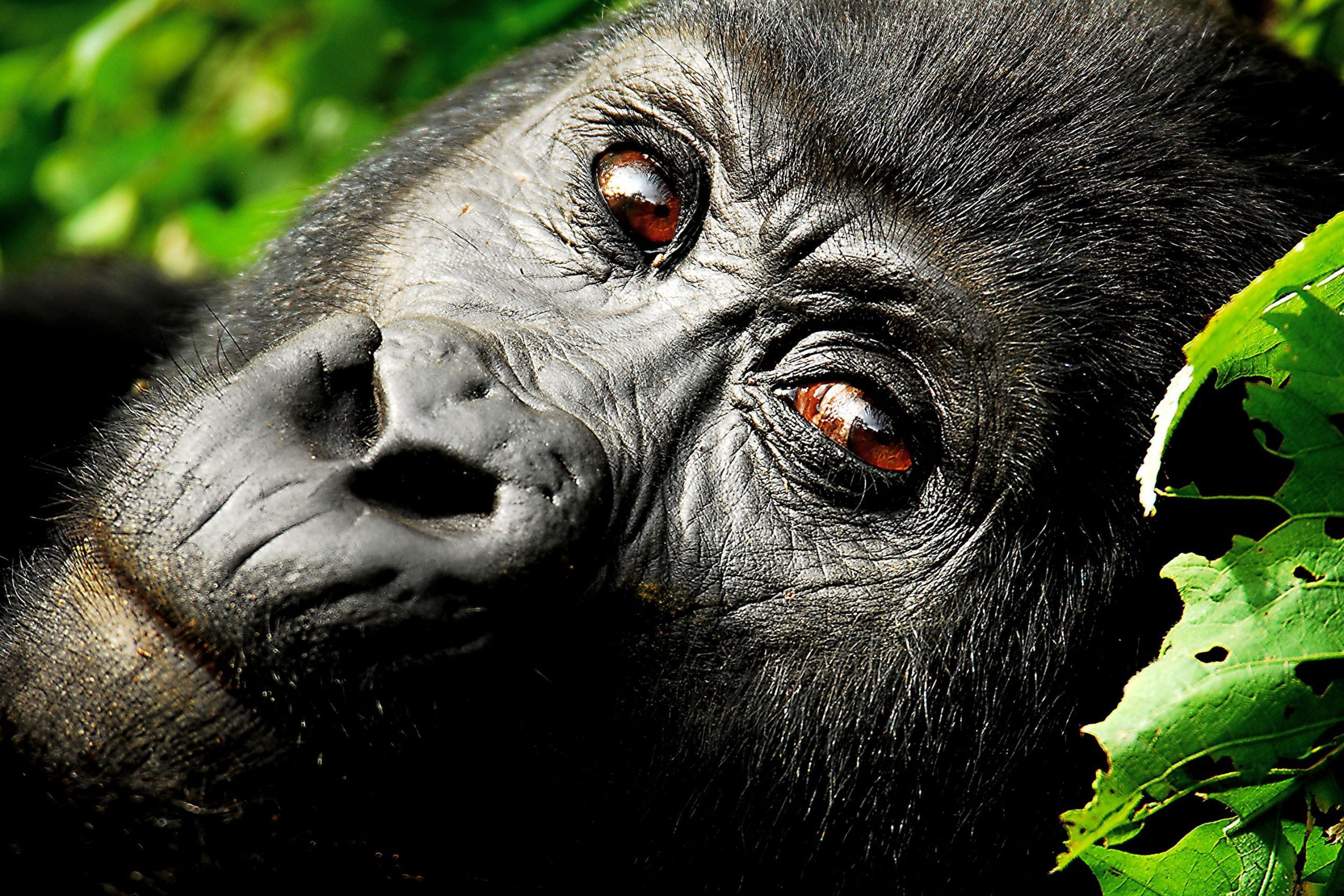

What Is Gorilla Trekking in Bwindi Impenetrable National Park Like in 2026–2027?
Gorilla trekking in Bwindi Impenetrable National Park remains one of Africa’s most extraordinary wildlife experiences in 2026–2027. Nestled in the southwestern corner of Uganda, Bwindi is home to nearly half of the world's remaining mountain gorillas, making it one of the best destinations for travelers seeking close encounters with these endangered primates. Every year, thousands of visitors from around the world journey into the dense rainforest to witness mountain gorillas in their natural habitat, creating memories that last a lifetime.
As tourism continues to grow in Uganda, gorilla trekking in 2026–2027 offers improved visitor experiences, enhanced conservation efforts, and more opportunities to explore the incredible biodiversity of Bwindi. Whether you are a wildlife enthusiast, photographer, adventure traveler, or conservation supporter, a gorilla trekking safari in Bwindi is an experience unlike any other.
Where Is Bwindi Impenetrable National Park?
Bwindi Impenetrable National Park is located in southwestern Uganda, bordering the Albertine Rift and close to Rwanda and the Democratic Republic of Congo. Covering approximately 331 square kilometers of ancient rainforest, the park is recognized as a UNESCO World Heritage Site due to its exceptional biodiversity and conservation significance.
The park consists of four major trekking sectors:
-
Buhoma Sector
-
Ruhija Sector
-
Rushaga Sector
-
Nkuringo Sector
Each sector hosts several habituated gorilla families available for trekking, giving visitors multiple options depending on their fitness levels, accommodation preferences, and travel itineraries.
What Happens During a Gorilla Trek?
A typical gorilla trekking experience begins early in the morning with a briefing by Uganda Wildlife Authority rangers. During this briefing, visitors receive information about gorilla behavior, trekking guidelines, and conservation efforts.
After being assigned a gorilla family group, trekkers enter the forest accompanied by experienced guides and armed rangers. The trek can last anywhere between one and six hours, depending on the location of the gorilla family on that particular day.
The journey through Bwindi's dense rainforest is an adventure itself. Visitors navigate steep slopes, muddy trails, thick vegetation, and beautiful forest landscapes while listening to the sounds of birds, monkeys, and other wildlife.
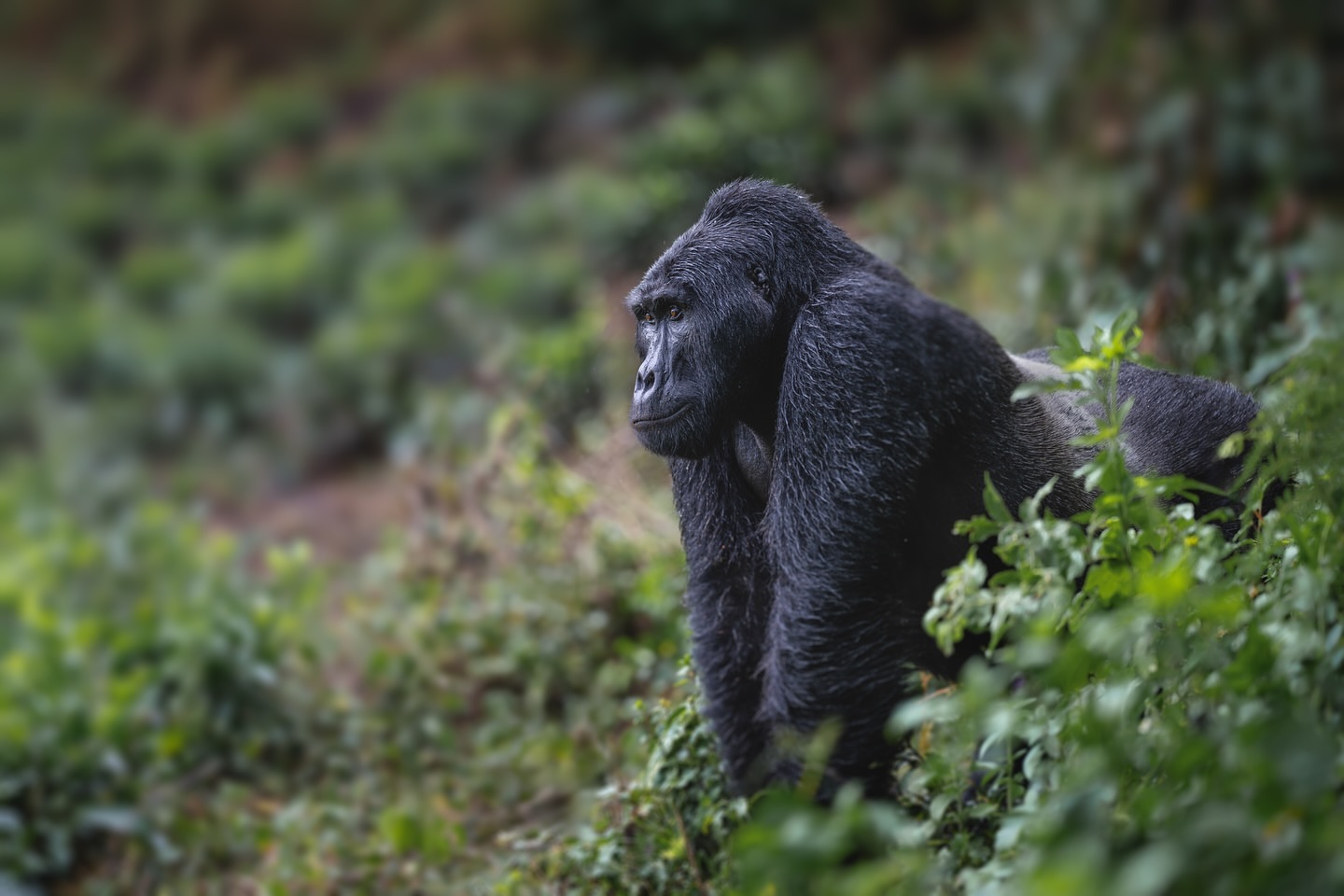
Once the gorillas are located, visitors are allowed to spend one unforgettable hour observing them. During this time, you may witness silverbacks guarding their families, mothers caring for infants, juveniles playing, and gorillas feeding peacefully in the forest.
This intimate wildlife encounter often leaves travelers emotionally moved and deeply appreciative of conservation efforts.
What Makes Gorilla Trekking in 2026–2027 Special?
Several developments are making gorilla trekking even more rewarding during the 2026–2027 travel seasons.
Improved trail management and visitor services have enhanced accessibility while maintaining strict conservation standards. Uganda continues to invest in sustainable tourism, ensuring that gorilla tourism directly benefits local communities and conservation projects.
Travelers can also expect better accommodation options ranging from luxury lodges to mid-range and budget facilities around Bwindi. These improvements make the destination accessible to a wider range of visitors.
According to safari experts at Satellite Adventures, the growing emphasis on responsible tourism has strengthened Uganda's reputation as one of Africa's leading wildlife destinations. Visitors not only enjoy unforgettable gorilla encounters but also contribute directly to protecting mountain gorillas and supporting surrounding communities.
How Difficult Is Gorilla Trekking?
One of the most common questions travelers ask is whether gorilla trekking is difficult.
The answer depends largely on your physical fitness and the location of the gorilla family assigned to your group. Some gorilla families are relatively easy to reach, while others require longer hikes through steep terrain.
The trails can be muddy, especially during rainy seasons, and trekkers should be prepared for varying weather conditions. However, experienced guides carefully pace the trek to accommodate different fitness levels.
Most visitors with moderate fitness successfully complete the trek. Hiring a porter is highly recommended as they assist with carrying bags and provide support on challenging sections of the trail while also creating employment opportunities for local residents.
What Wildlife Can Be Seen Besides Gorillas?
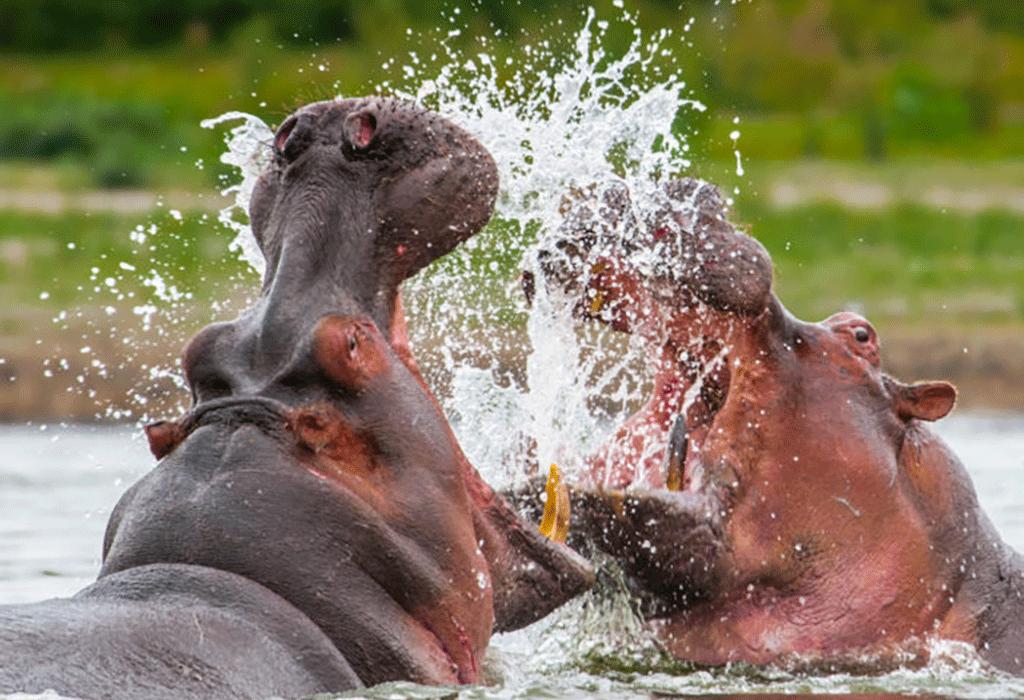
Although mountain gorillas are the main attraction, Bwindi Impenetrable National Park is incredibly rich in biodiversity.
The forest hosts over 120 mammal species, including:
-
Forest elephants
-
Giant forest hogs
-
Bush pigs
-
Black-and-white colobus monkeys
-
Blue monkeys
-
L'Hoest's monkeys
Bird enthusiasts will also find Bwindi a paradise. The park supports over 350 bird species, including several Albertine Rift endemics that are difficult to find elsewhere in Africa.
Many visitors booking gorilla safaris with Satellite Adventures choose to combine trekking with birdwatching, nature walks, cultural encounters, and visits to nearby attractions for a more comprehensive Ugandan safari experience.
Gorilla Conservation Success
Mountain gorillas remain one of the world's greatest conservation success stories. Decades of conservation efforts involving governments, local communities, researchers, and tourism operators have contributed significantly to the gradual increase in gorilla populations.
Revenue generated from gorilla trekking permits supports anti-poaching patrols, habitat protection, veterinary care, community development, and conservation education programs.
By participating in a gorilla trek, visitors become active contributors to preserving these remarkable primates for future generations.
Organizations, conservation partners, and responsible operators such as Satellite Adventures continue to promote sustainable tourism practices that balance visitor experiences with wildlife protection.
Best Time for Gorilla Trekking in 2026–2027
Gorilla trekking is available year-round, but the most popular months are during the dry seasons:
-
June to September
-
December to February
These months generally offer easier hiking conditions and better photography opportunities.
However, the rainy seasons can also be rewarding. The forest becomes lush and vibrant, visitor numbers are often lower, and gorilla sightings remain excellent since the animals stay within the protected forest throughout the year.
Regardless of when you travel, booking permits and accommodation well in advance is highly recommended, especially during peak travel periods.
Why Gorilla Trekking Should Be on Your Bucket List
Very few wildlife experiences compare to standing just a few meters away from a family of wild mountain gorillas. The intelligence in their eyes, their social interactions, and their striking resemblance to humans create a profound connection that many travelers describe as life-changing.
Bwindi Impenetrable National Park offers more than a wildlife encounter, it provides an opportunity to experience one of Africa's most important conservation areas while supporting local communities and environmental protection efforts.
For travelers planning African adventures in 2026–2027, gorilla trekking in Bwindi remains one of the continent's most rewarding experiences. Whether arranged independently or through trusted safari specialists such as Satellite Adventures, this remarkable journey into Uganda's ancient rainforest promises unforgettable memories, breathtaking scenery, and a deeper appreciation for the natural world.
Gorilla trekking in Bwindi is not simply a safari activity; it is a once-in-a-lifetime encounter with one of humanity's closest relatives in one of Africa's most spectacular wilderness destinations.
0 Comments